
Equine chiropractic
Understanding equine chiropractic
A plain-English guide for horse owners: what it is, what to expect, and how it fits alongside your vet.
What it involves
Hands-on care for the way horses move
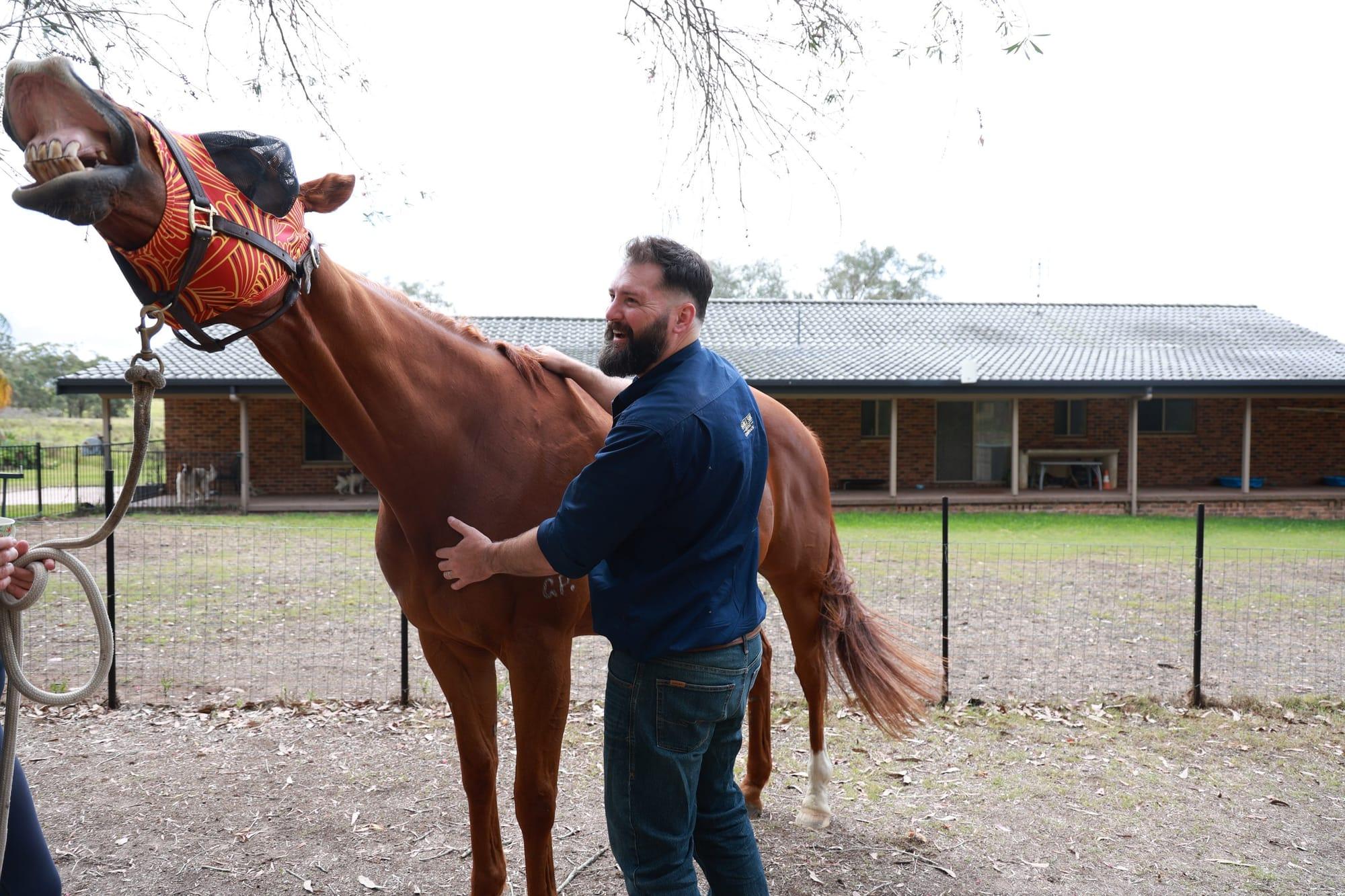
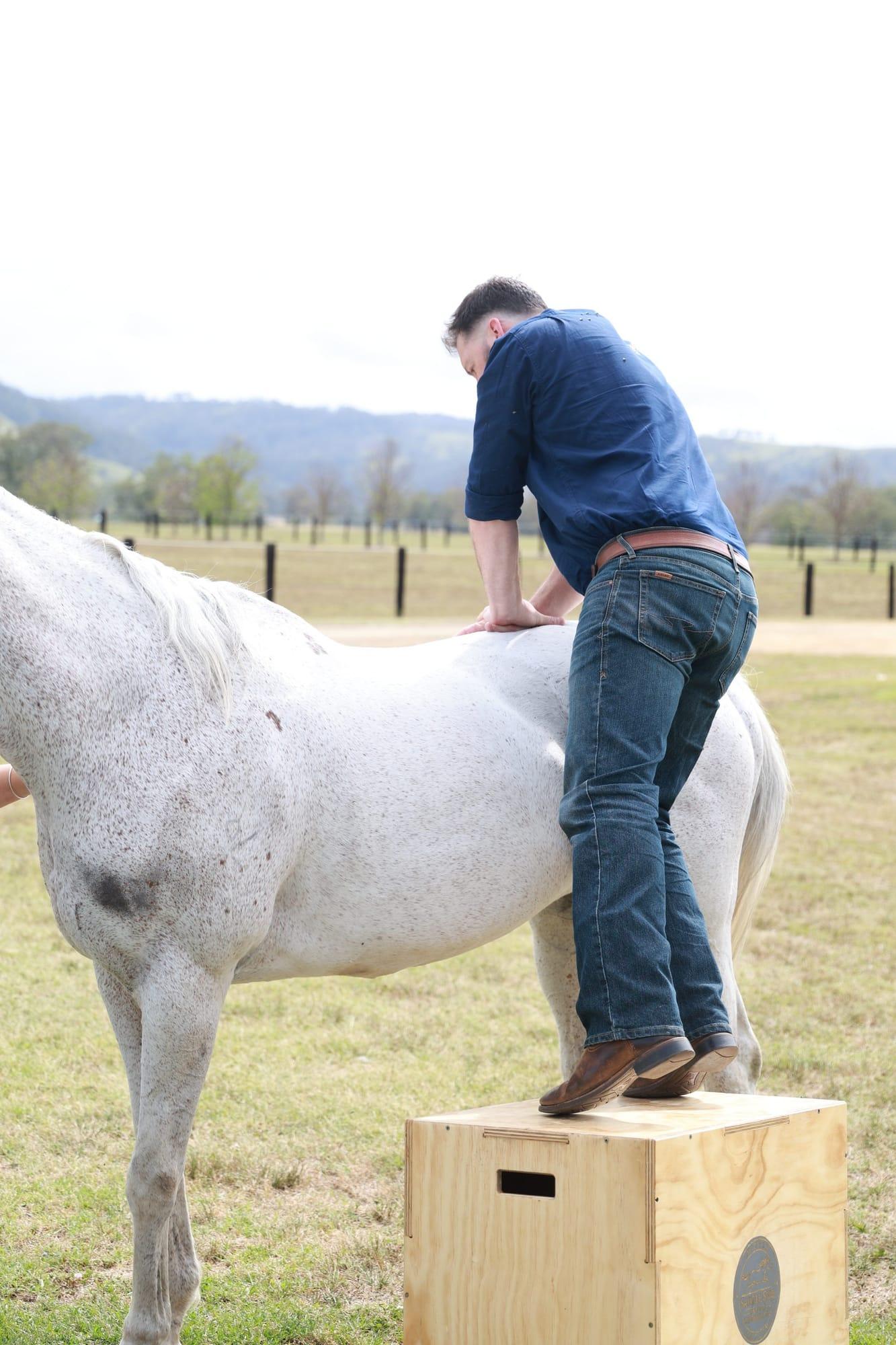
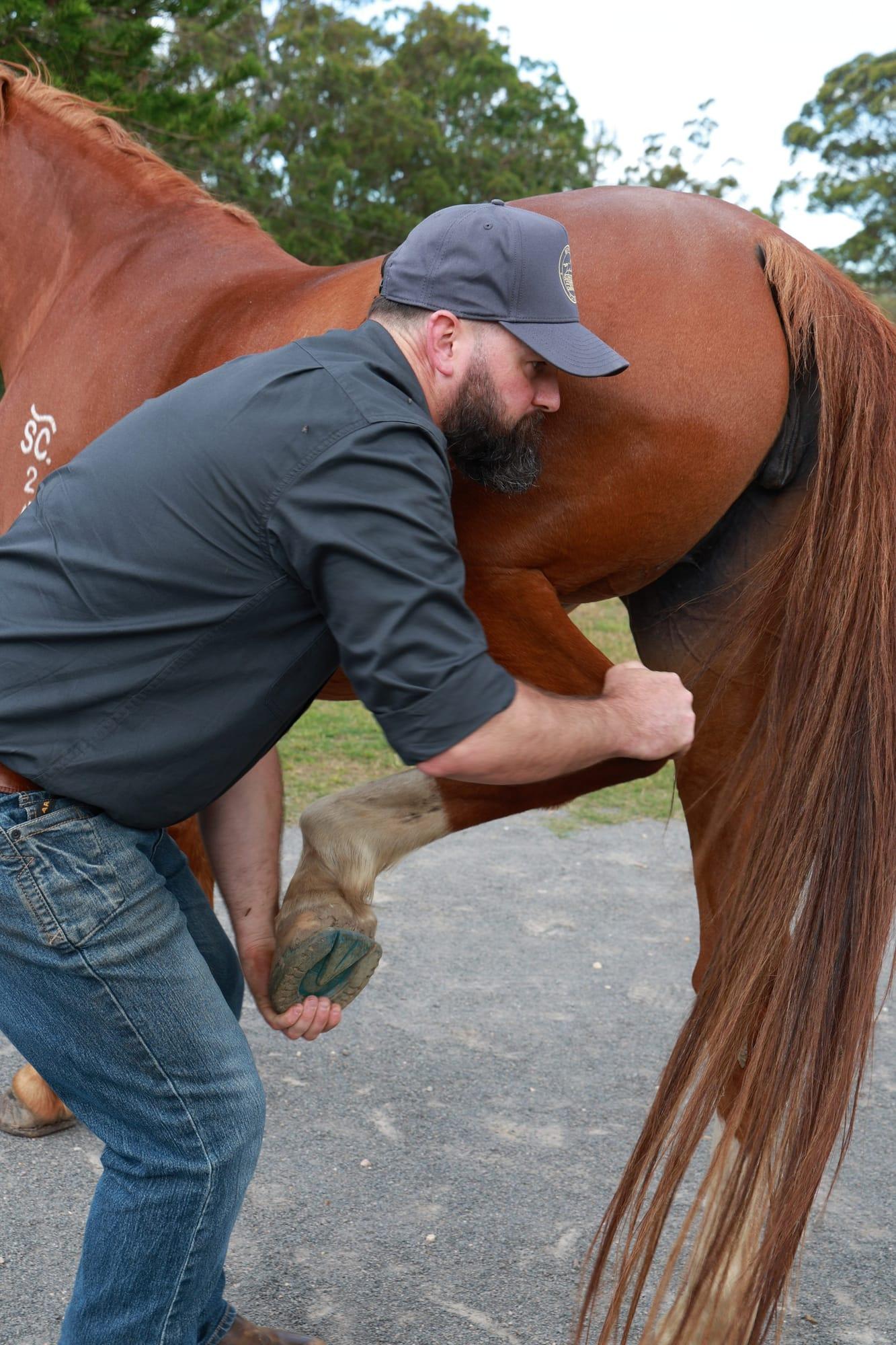
Equine chiropractic is a hands-on approach focused on the spine, pelvis and joints, and on how well they move together. A chiropractor assesses how your horse stands and moves, feels for areas of restricted or uncomfortable movement, and — where appropriate — uses specific, controlled techniques intended to support more comfortable motion.
James spent ten years as a human chiropractor before completing a Graduate Diploma in Animal Biomechanical Medicine, a postgraduate qualification that applies chiropractic and related musculoskeletal training to animals.
Chiropractic care does not diagnose or treat disease and is not a substitute for veterinary care. It is intended to complement the care your horse receives from your veterinarian.
A typical appointment
What to expect on the day
Every horse is different, so every appointment is too — but most follow a similar, unhurried rhythm.
01
History & conversation
We start with you: your horse's background, workload, any veterinary input, and what you have noticed under saddle or on the ground.
02
Observation
James watches your horse stand and move — typically at the walk and trot in hand, and further where it's safe and useful.
03
Hands-on assessment
A careful, systematic palpation and assessment of the spine, pelvis and limbs, taking your horse's comfort and temperament into account.
04
Chiropractic care
Where appropriate, specific chiropractic adjustments and techniques. If something suggests your horse needs a vet, James will say so first.
05
Aftercare
You'll receive practical notes on rest, return to work and when to check back in, plus any recommendation to involve your veterinarian.
Assessment & approach
Why individualised care matters
A young thoroughbred in work, a dressage horse building collection and a retired pony enjoying the paddock place very different demands on their bodies. Age, conformation, discipline, workload, shoeing, saddle fit and past injuries all shape what James looks for and how he works.
That's why every appointment starts with history and observation, and why treatment is adapted — or not given at all — depending on what James finds and how your horse responds on the day.
Working with your vet
Complementary, never a replacement
Your veterinarian is responsible for diagnosing and treating illness, injury and lameness. Chiropractic care can sit alongside that — for example as part of an overall plan your vet is aware of. If James finds anything that needs veterinary attention, he will recommend you see your vet before any chiropractic treatment.
You don't need a vet referral to book. You can add your vet's details when you book if you'd like.
Call your vet first if your horse has
- Sudden or severe lameness, or a horse unwilling to bear weight
- Heat, swelling or a wound — particularly around joints or tendons
- Fever, colic signs, loss of appetite or general depression
- A recent fall, kick or trauma that hasn't been examined
- Neurological signs such as stumbling, incoordination or weakness
- Any change you're worried about that hasn't been seen by a vet
In an emergency, contact your veterinarian immediately.
What happens during an appointment?
We talk through your horse's history and your concerns, James observes your horse standing and moving, then carries out a hands-on chiropractic assessment and treatment where appropriate. You'll finish with aftercare notes. See Equine Chiropractic for the full walk-through.
How long does an appointment take?
Allow one hour per horse, for both initial and follow-up appointments. If you're booking several horses, they're seen one after another in the same visit.
Which days do you visit?
Appointments run on Fridays between 8am and 5pm, except public holidays. Online booking shows every Friday time that's still open. Online bookings close the day before; if you're hoping for a same-day visit, call James on 0411 961 325 to see if it's possible.
How should I prepare my horse?
Please have your horse caught, dry, clean and brushed, with a headcollar and lead. A flat, firm, safe area to walk and trot in hand is ideal, along with somewhere sheltered in poor weather. Please have a capable handler present. Avoid heavy work or a big feed just beforehand.
When should I contact my veterinarian?
Always contact your vet first for sudden or severe lameness, heat or swelling, wounds, fever, colic signs, neurological signs, or anything that hasn't been examined. Chiropractic care is complementary to veterinary care and never a substitute for it. If James finds something that needs veterinary attention, he will recommend you see your vet before any treatment.